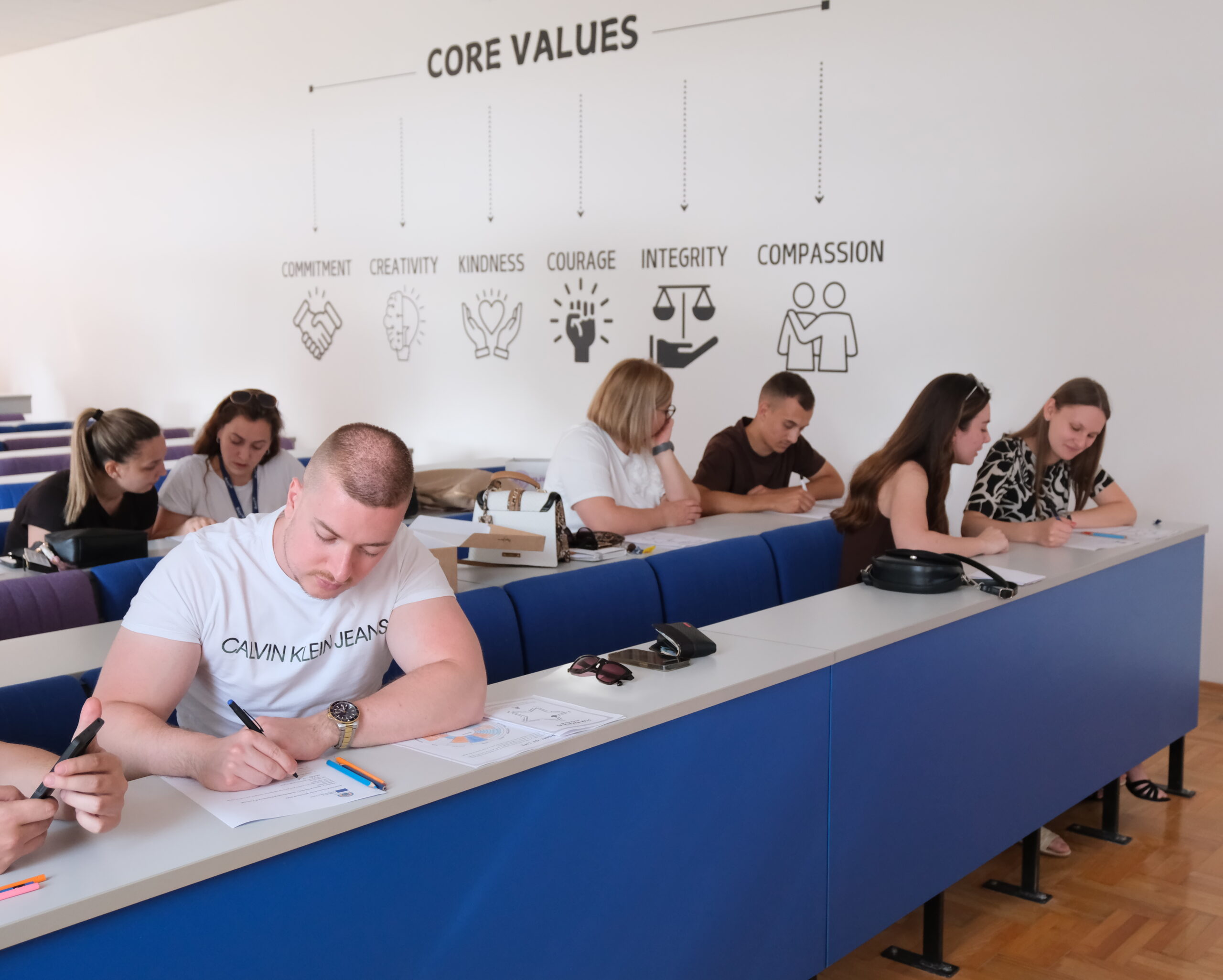
Focus Group Done by RRINOVA
RRINOVA completed two focus group sessions for the YOUR RESPONSE project, gathering insights from youth workers and disadvantaged youth on sustainability, responsible consumption and digital habits.
RRINOVA completed two focus group sessions for the YOUR RESPONSE project, gathering insights from youth workers and disadvantaged youth on sustainability, responsible consumption and digital habits.
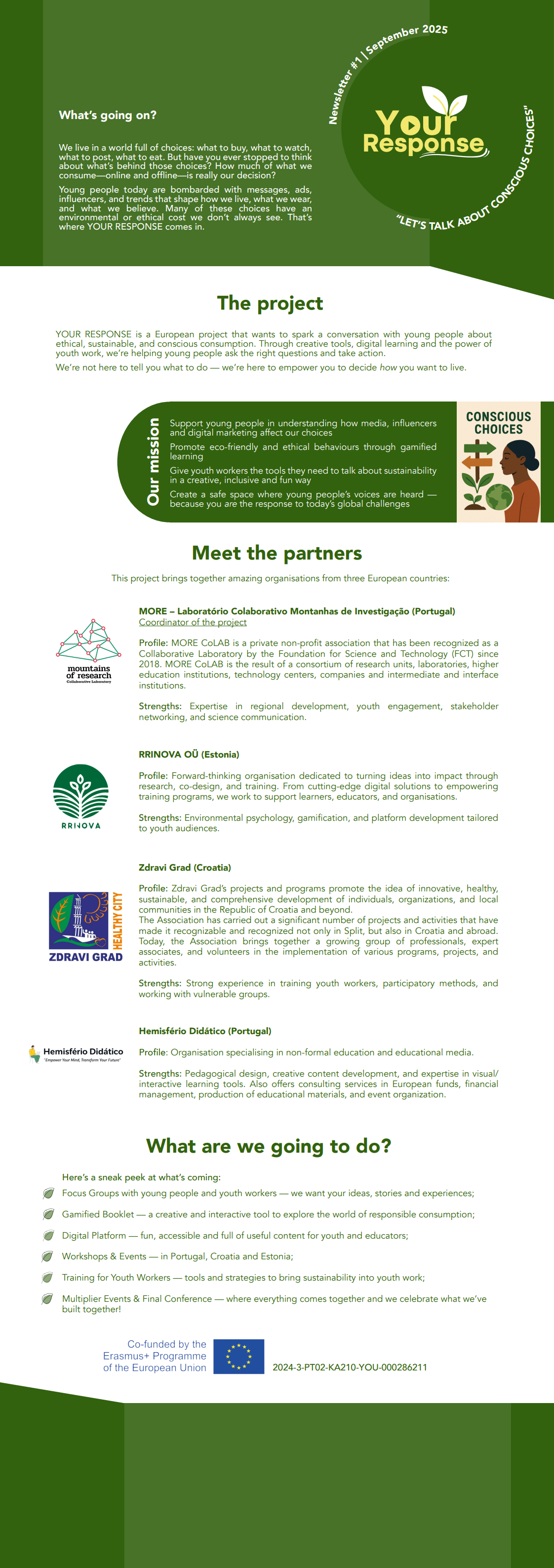
YOUR RESPONSE launches its 1st newsletter, empowering young people to make ethical, sustainable choices and explore conscious consumption across Europe.
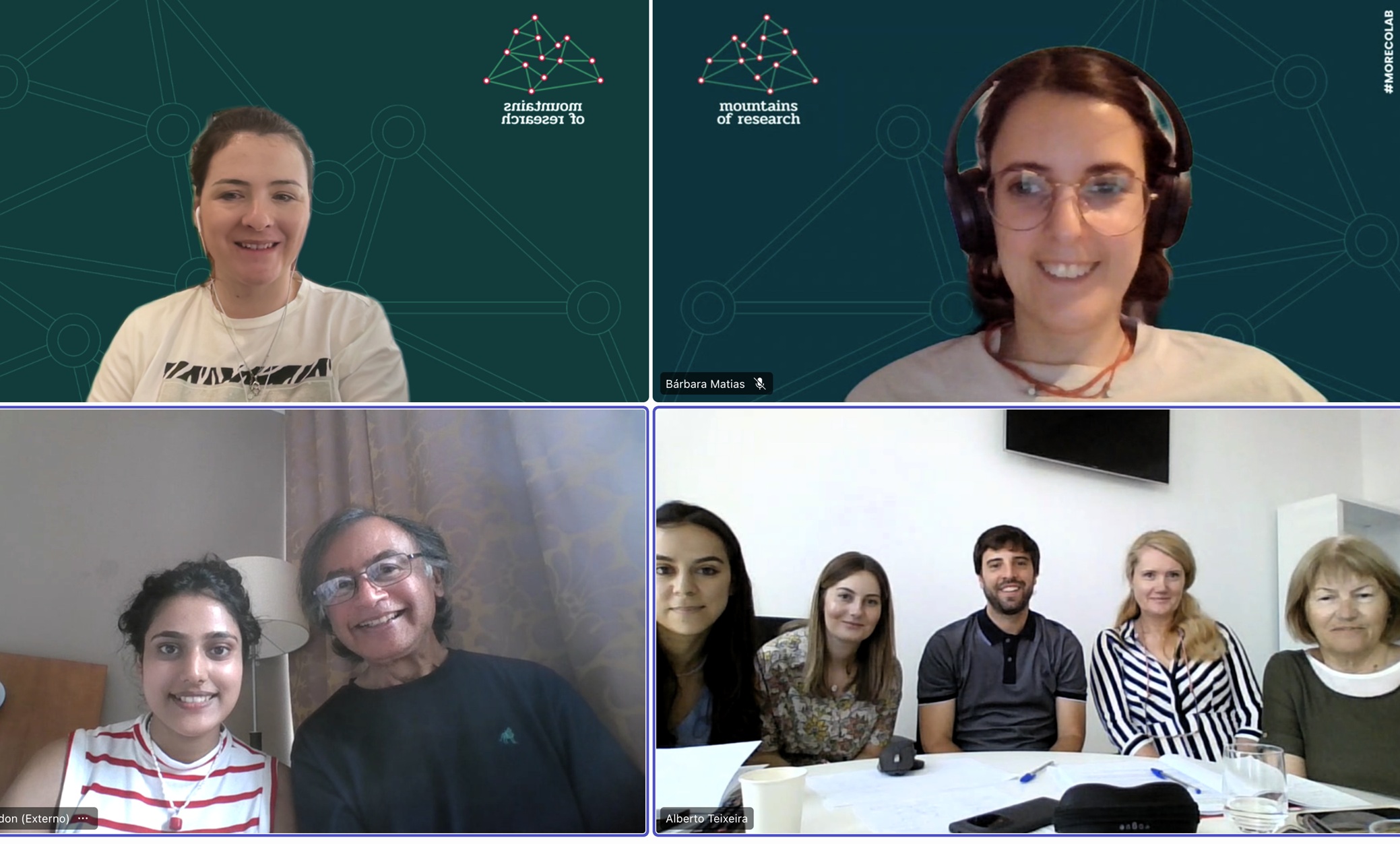
The Kick-off Meeting of the “YOUR RESPONSE” project, aimed at fostering responsible consumption among youth, took place on 10 July 2025 in Bragança, Portugal. Partners and stakeholders gathered to officially launch the project and begin collaborative planning for the activities ahead.
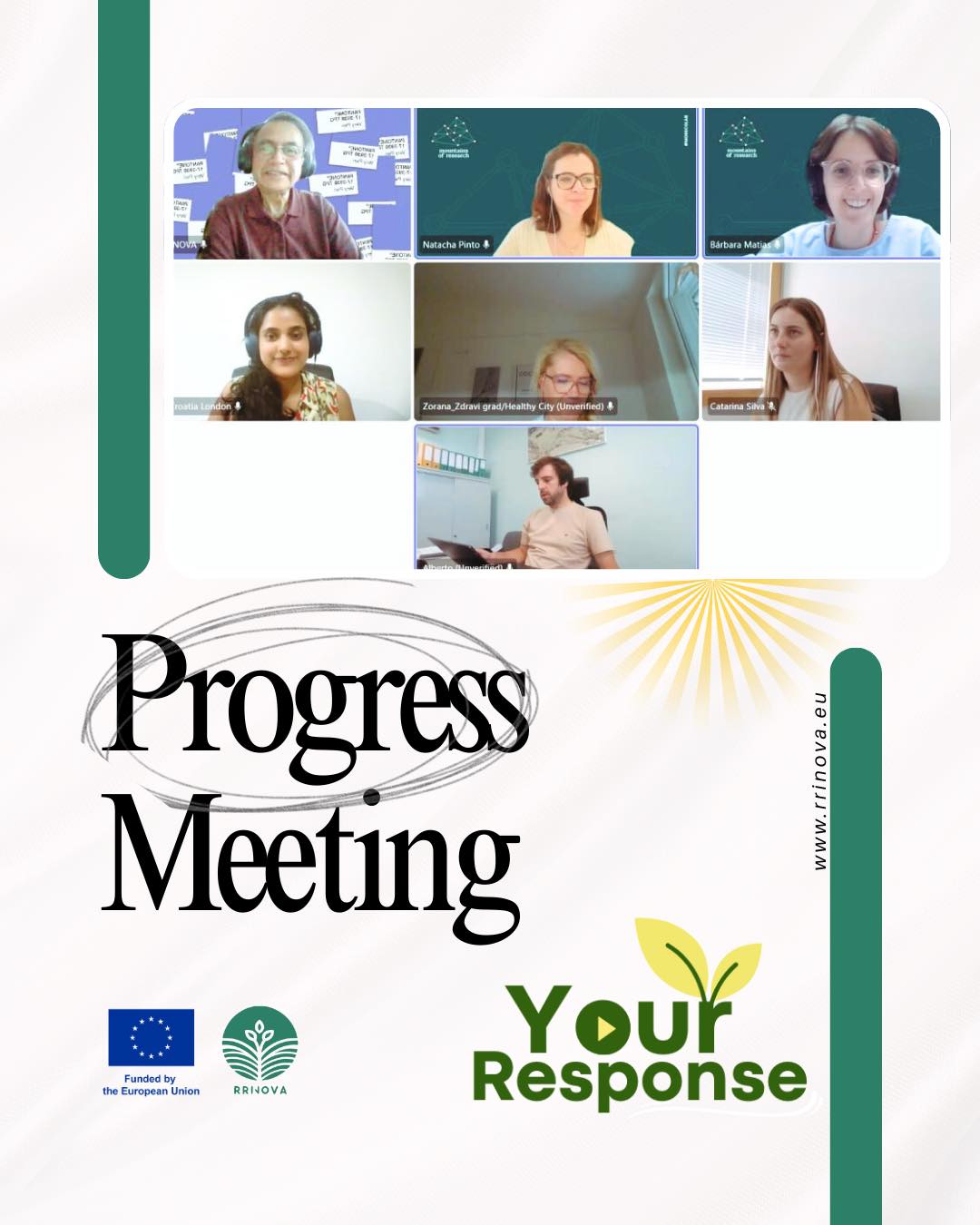
YOUR Response project update – September 2025: Progress meeting highlights focus groups with youth, dissemination efforts, and development of interactive learning modules promoting responsible consumption and media literacy for young people across Europe.

This case study examines Italy’s digital education transformation from 2020 to 2025, focusing on COVID-19, regional inequality, the National Recovery Plan, and EU educational policies. It critically analyzes infrastructure gaps, student outcomes, teacher training, societal impacts, and offers practical recommendations for sustainable and inclusive digital education in Europe.
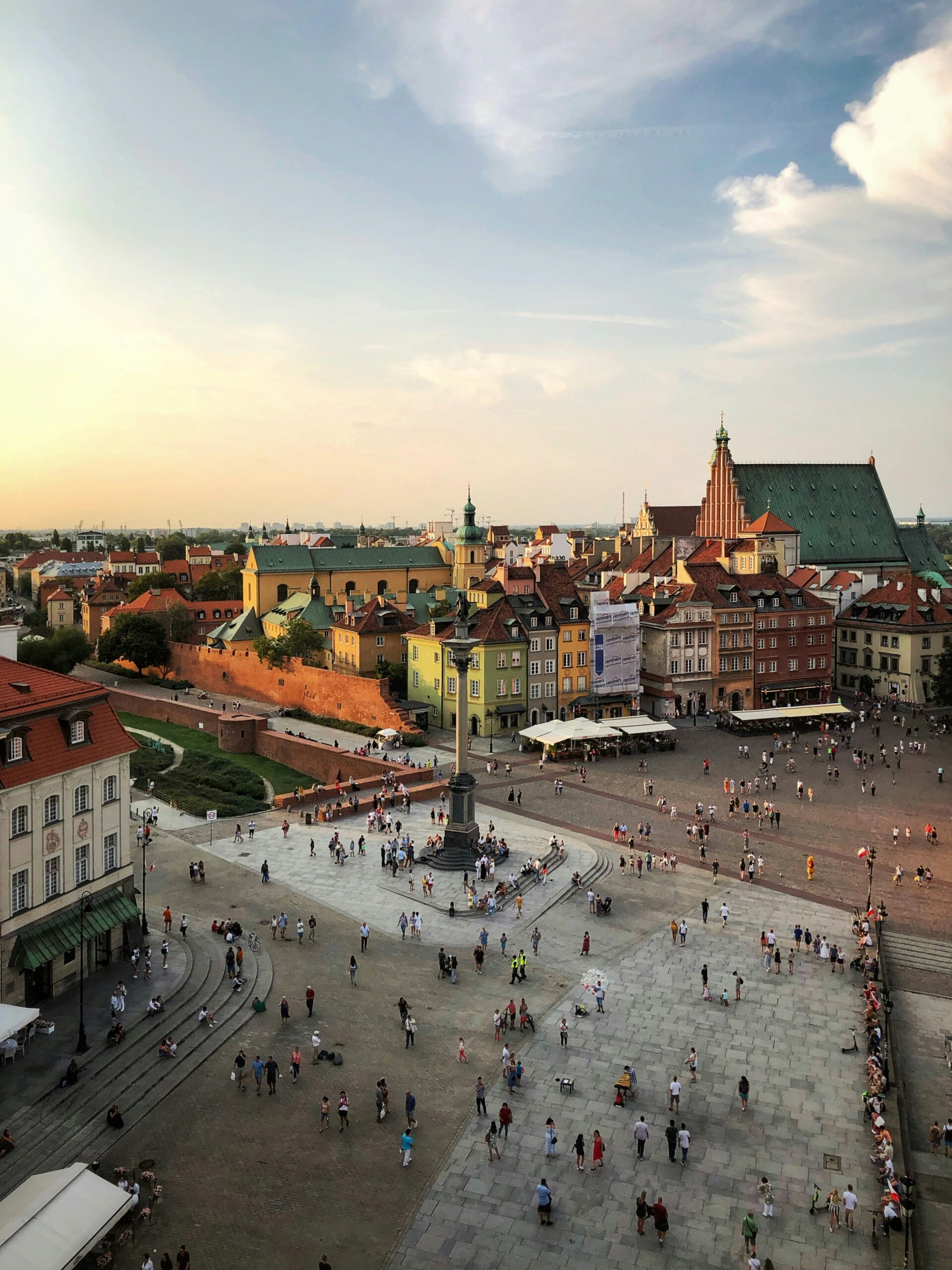
This case study examines Poland’s contemporary socio-political landscape, focusing on rule-of-law reforms, EU funding conditionality, and the integration of Ukrainian refugees post-2022. It explores historical tensions between Poland and the European Union, the unlocking of €137 billion in EU funds, and the impact of hosting nearly one million refugees. The analysis highlights key stakeholders, national and EU policy responses, political challenges, and economic outcomes. Evidence-based recommendations are provided for sustainable governance, refugee integration, and long-term stability within the European context.
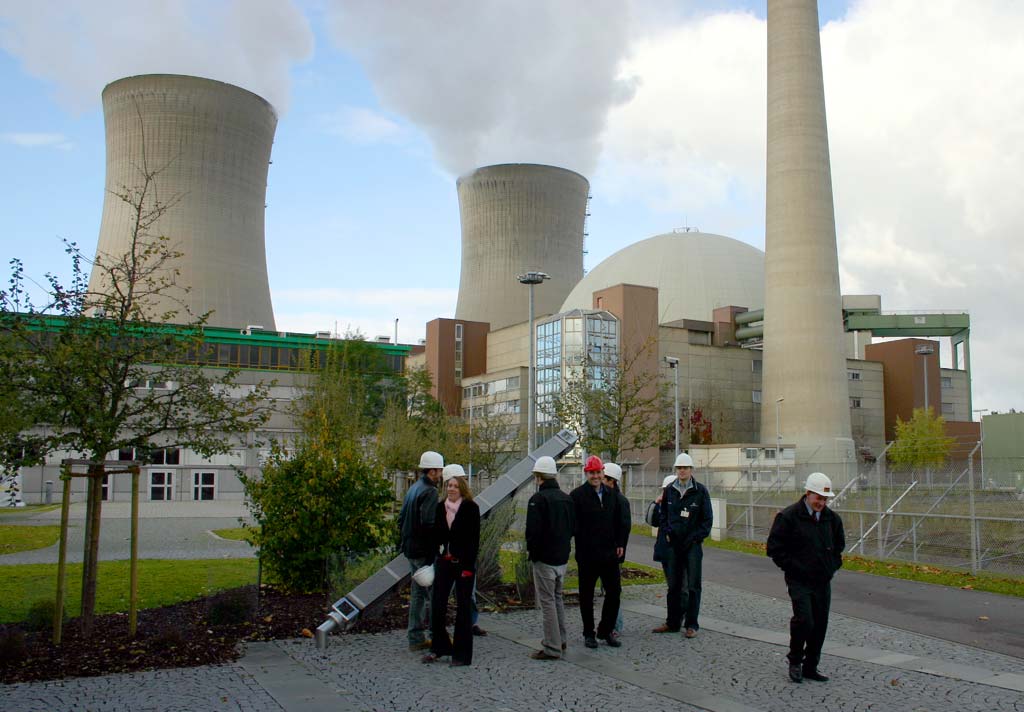
Explore a detailed case study on Germany’s post-2020 energy crisis and transition, analyzing the impact of the Russia-Ukraine war on Europe’s energy security. This study covers Germany’s historical dependence on Russian gas, rapid policy responses including LNG expansion, renewable energy acceleration, and heating reforms under the Building Energy Act. It evaluates economic consequences for industries, households, and EU energy policy, while highlighting key stakeholders, policy outcomes, and evidence-based recommendations for sustainable energy resilience and socio-economic stability.

This case study explores Spain’s leadership in AI governance within Europe, focusing on the implementation of the EU AI Act and the establishment of the Spanish Agency for the Supervision of Artificial Intelligence (AESIA). It analyzes Spain’s historical AI strategy, major developments from 2020 to 2025, key stakeholders, policy responses, and the societal and economic impact of AI regulation. The study also evaluates challenges for SMEs, ethical concerns, and international implications, offering evidence-based recommendations for responsible and sustainable AI adoption in Europe.